
Health
Jump to: Help with Finding a Rabbit-Savvy Vet, Diseases and Treatments, Age-Related Health Concerns, and Convalescent Care.
Vet Care
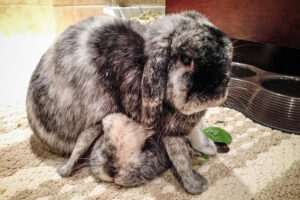
Don’t wait till you have an emergency to start looking for a rabbit-savvy veterinarian.

Sound advice for managing common medical problems until you can make it to the vet.

We cannot offer medical advice – we’re not vets. We can offer these two resources for ways to get a second opinion from a rabbit-savvy vet.
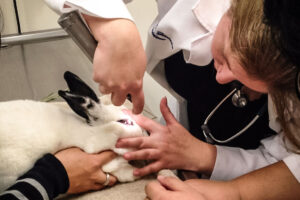
We can’t help you pay your vet bills, but we can point you to resources that might help.

Dr Jennifer L. Saver, DVM explains why a yearly wellness exam is key to a long and healthy bunny life.
Spay/Neuter & Its Benefits

Author: San Diego House Rabbit Society One of the most important decisions you can make […]
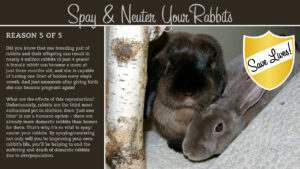
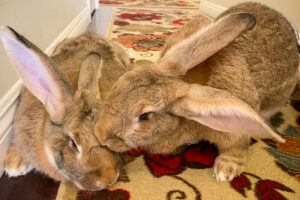
A spay-neuter prevents or solves all the most common behavior problems facing rabbits who live with humans.
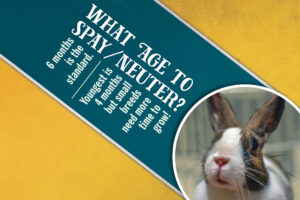
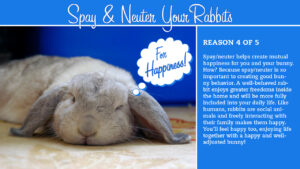
Spay/neuter is one of the best things you can do to create mutual happiness with your bunny.


Spay/Neuter allows rabbits to form permanent, close bonds with other rabbits without the competition and aggressiveness of mating.

Did you know that spay/neuter has an enormous positive impact on rabbit behavior?
Diseases & Treatments
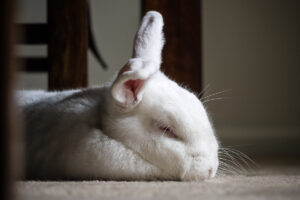

It’s an all too familiar story. “My bunny stopped eating, and then she just died.”
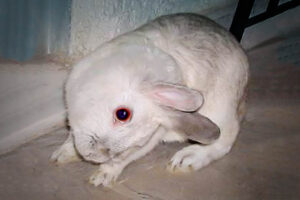
Head tilt is not only survivable, but treatable. Bunnies with a head tilt can live a happy, comfortable life.
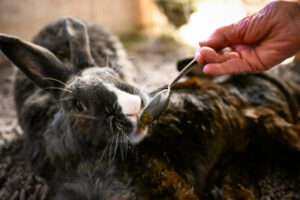

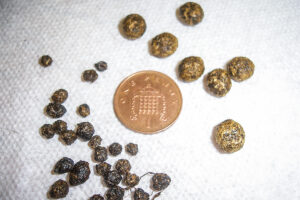
Author: Kathleen Wilsbach The skin of rabbits is a window to their general state of […]
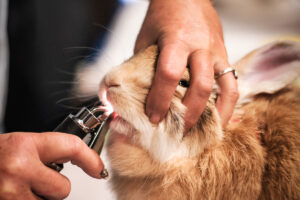
Malocclusion, molar spurs, abscesses, drooling and other common rabbit dental issues.
Author: Dawn Sailer Antibiotics are used to treat bacterial infections. When needed for treatment of […]

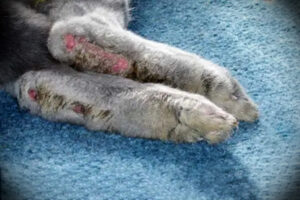
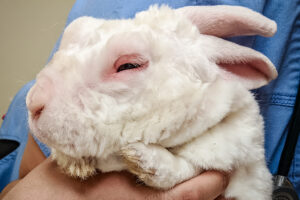
Myxomatosis is a deadly viral disease of domesticated (European) rabbits caused by the myxoma virus.
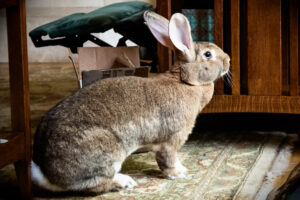
We are working on securing reprint rights. In the meantime, here are third party links to the article.
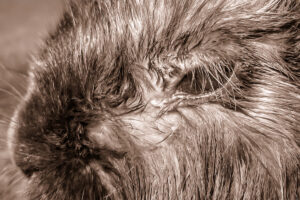
Rabbits can suffer from sneezing, runny nose, and runny eyes for a multitude of reasons.
Causes of weepy eye are varied; a correct diagnosis is essential for effective treatment.

Understanding Pasteurella can help caregivers take positive action.
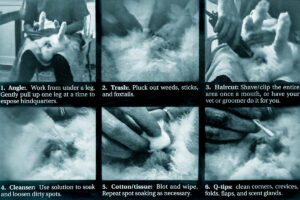

Thymomas are tumors that originate from the thymus, a specialized immune system organ in the chest cavity. While they are relatively rare in rabbits, thymomas represent a significant health concern when they do occur.

Author: Paige K Parsons Introduction With the increasing legalization and use of marijuana and cannabidiol […]
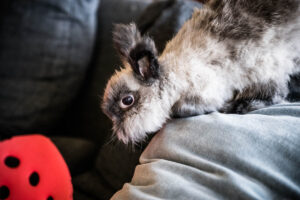
Author: Our Think Tank This article features recent scholarly works on companion rabbit health, commonly […]

Author: Paige K Parsons As more pet caregivers seek holistic and alternative therapies for their […]

Alternative Therapies to Treat Rabbit Pain and Musculoskeletal Issues and to Stimulate Wound Healing
Alternative therapies can be very useful in treating rabbits for many acute and chronic conditions. The modalities work best when utilized in combination with traditional veterinary therapies.

For caregivers, shelter workers and veterinary personnel all over the world, Tellington TTouch plays an integral part in their animal care regime.

Rabbit Hemorrhagic Disease is a highly contagious and lethal virus affecting both wild and domestic rabbits.
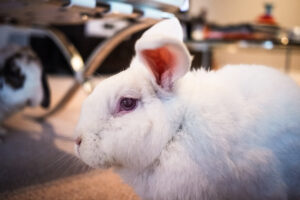
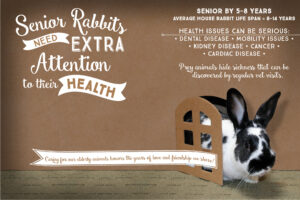
Arthritis is one of the most overlooked signs of an aging bunny. Jennifer L. Saver, DVM points out the subtle signs.
Convalescent & Chronic Care

When rabbits lose their mobility, upright posture, or ability to reach and groom their extremities, they will need assistance with hygiene and their other daily tasks.

Author: Marinell Harriman Confusion exists in people’s minds when dealing with crippled, deformed, or less […]
Author: Paige K Parsons As more pet caregivers seek holistic and alternative therapies for their […]
Alternative Therapies to Treat Rabbit Pain and Musculoskeletal Issues and to Stimulate Wound Healing
Alternative therapies can be very useful in treating rabbits for many acute and chronic conditions. The modalities work best when utilized in combination with traditional veterinary therapies.

Traditional and Alternative Healing Methods.
Lucile C More & Kathy Smith
A free ebook available to read online.
Age-Specific Concerns
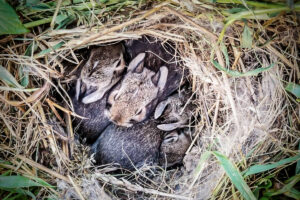
Wild baby bunnies are usually not orphaned. Despite good intentions, attempting to rehabilitate them can be illegal and harmful.
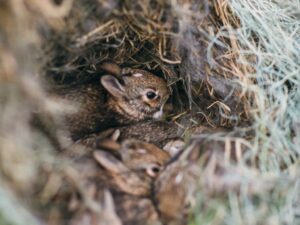
Sometimes domestic or wild rabbits are truly orphaned. This document is meant to help in that dire situation.
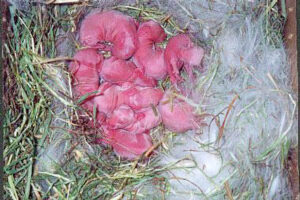
This article is reprinted by permission of Kindplanet.org If you find yourself caring for a domestic […]
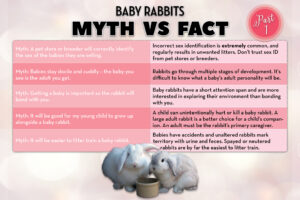

Author: Marinell Harriman Experienced rabbit people know it’s just a passing phase, but if this […]
Body Parts
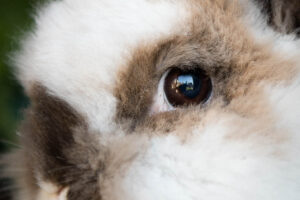
Everything about rabbit eyes, from vision to health challenges and treatments
Author: Kathleen Wilsbach The skin of rabbits is a window to their general state of […]
Author: Awaiting Reprint Rights “What we think of as a rabbit’s ear is only a […]